From Cringe to Core Personality: How Niche Gaming Went From Embarrassing Secret to Ultimate Flex
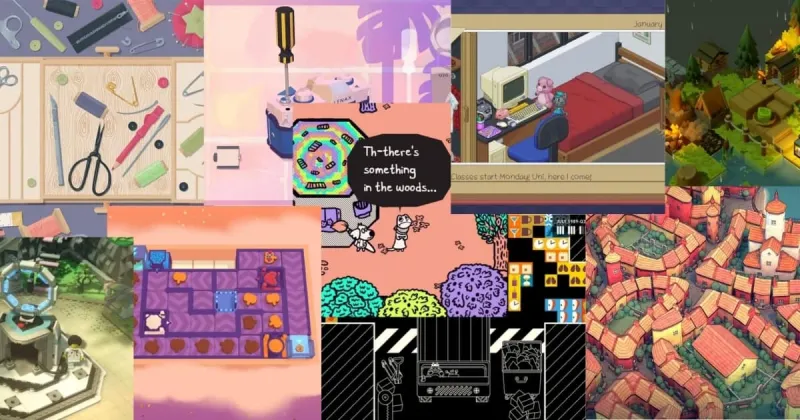
Photo: cozy indie game aesthetic colorful quirky gaming community, via thecozygamingnook.com
There was a time — not even that long ago — when admitting you played obscure indie visual novels was social suicide. You'd quietly minimize the window when someone walked by. You'd describe your hobby as "just some games" with the energy of someone hiding a second family. The mainstream gaming world had a very clear hierarchy, and if you weren't fragging people in a shooter or grinding ranked matches, you were basically invisible.
That era is cooked. Done. Absolutely over.
Somewhere between TikTok rabbit holes, Discord servers with extremely specific names, and the general collapse of "normal" as a concept worth chasing, niche gaming communities didn't just survive — they became the thing everyone secretly wanted a piece of. And the people who were always in those communities? They went from apologizing for their taste to wearing it like a badge of honor.
Welcome to the weird girl era of gaming. Population: growing fast.
The Underground That Refused to Stay Underground
Let's be honest about what "niche gaming" actually covers, because it's a wide and wonderfully chaotic tent. We're talking cozy crafting sims where you tend a virtual garden and cry about fictional chickens. We're talking obscure abandonware titles from the early 2000s that you can only run by performing what amounts to a digital séance on a vintage PC. We're talking visual novels with 40-hour runtimes and fan communities that produce more content than some major studios.
These weren't fringe interests because they were bad. They were fringe because the mainstream hadn't caught up yet.
Kayla, 27, a graphic designer from Portland who has logged an embarrassing number of hours in a cozy cottage life sim she'd rather not name, puts it plainly: "I used to literally not mention it at work. Like, I'd talk about watching Netflix, I'd talk about hiking, but gaming? Specifically that kind of gaming? No way. It felt like admitting something weird about yourself."
She laughs. "Now I have it in my Instagram bio."
Social Media Accidentally Made Obscure Cool
Here's the thing nobody planned: the algorithm has no taste, and that turned out to be a gift.
When short-form video content started rewarding specificity over broad appeal, something shifted. A video of someone explaining why a 1998 point-and-click adventure game about a lighthouse keeper changed their entire worldview could pull half a million views if the delivery was right. A TikTok tour of someone's cozy game cottage — complete with virtual flower arrangements and a rain sound mod — could rack up comments from people who didn't even know the game existed an hour ago.
The platforms weren't trying to rehabilitate niche gaming culture. They were just feeding the engagement machine. But the side effect was enormous: obscure taste became visible, and visibility made it aspirational.
Marcos, 31, a teacher from Chicago who has been collecting and playing abandonware titles since middle school, describes the shift with barely contained disbelief. "I used to be the only person I knew who cared about this stuff. I'd post about it online and get like twelve likes, mostly from bots. Now I run a Discord with almost four thousand people and we have meetups. Physical meetups. For a game that came out in 2001 and technically doesn't exist legally anymore."
He pauses. "It's genuinely unhinged and I love it."
Reclaiming the Weird
What's particularly interesting — and a little poetic — is the way longtime niche gamers talk about this moment. There's pride, sure. But there's also something more complicated underneath it.
For years, these communities survived by being self-sustaining. They built their own wikis, their own fan translations, their own patch notes for games the original developers abandoned a decade ago. They didn't have mainstream validation because they didn't need it. The games mattered because they decided the games mattered, full stop.
So when the mainstream finally showed up, the reaction wasn't pure celebration. It was something more like: oh, so now you get it.
Jessica, 24, from Austin, has been deep in the indie visual novel scene since high school. She describes a specific and relatable tension. "There's always that moment when something you love gets popular and you're like... okay, cool, but also, where were you? We were here. We kept this alive. And now it's suddenly a personality trait for people who just found out about it last week."
She's not bitter about it, though. Not really. "Mostly I'm just glad more people are playing good games. And honestly? The new fans usually end up being just as obsessed as the old ones. The games do that to you."
Why "Weird" Became the Winning Move
There's a broader cultural current running under all of this. In a media landscape absolutely drowning in the same thirty franchises recycled endlessly, specificity became a form of rebellion. Saying you only play cozy games about running a tiny mushroom shop isn't weird anymore — it's a statement. It says something about what you value, what kind of experience you're chasing, and frankly, what you refuse to settle for.
The big-budget spectacle arms race has produced some genuinely incredible games. It's also produced a kind of exhaustion. When every major release is a 90-hour open world with a battle pass and a live service component, the appeal of a two-hour hand-drawn visual novel about grief and houseplants hits completely different.
Niche gaming didn't get cool because marketing budgets changed. It got cool because people got tired of being marketed to.
The New Flex Is Knowing Something Nobody Else Does
At FlyZap, we have a soft spot for the games nobody talks about at launch parties — the ones that find you at 2 AM through a forum post from 2009, or a friend's cryptic recommendation, or a TikTok that sent you down a four-hour research spiral. Those games have always been out there. The communities around them have always been real.
What changed is that the rest of the world finally noticed the lights were on.
If you've been quietly devoted to some deeply specific corner of gaming culture — the obscure, the cozy, the weird, the abandoned — congratulations. You weren't behind the curve. You were just early.
Now go update your bio.