Secret Lives, Hidden Pixels: The Indie Devs Smuggling Their Whole Autobiography Into Your Game

Photo: indie game developer working alone at computer with colorful pixel art on screen, via thumbs.dreamstime.com
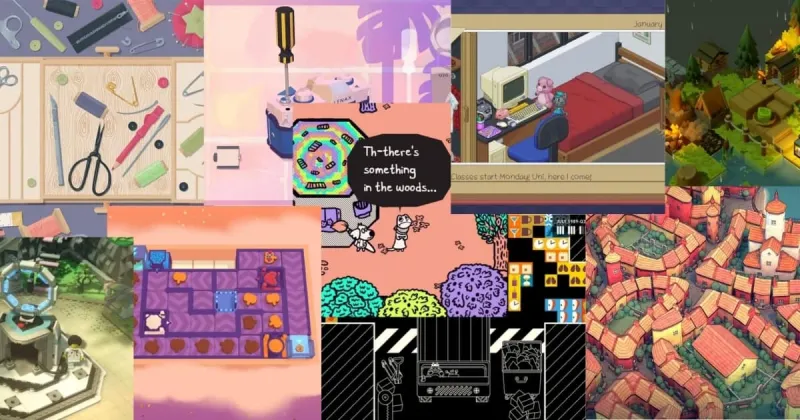
Somewhere in a game you downloaded for four dollars on a slow Tuesday, a developer left a note for nobody and everybody. It might be a tombstone with their grandmother's name. A background painting that matches the wallpaper from their childhood bedroom. A throwaway NPC who mutters a phrase that only their college roommate would recognize. You probably walked right past it. But somebody else? Somebody else found it — and now they won't shut up about it on Reddit, in a good way.
Welcome to one of the most genuinely wholesome corners of gaming culture: the obsessive, surprisingly emotional world of hunting down the personal easter eggs that indie developers hide inside their own games.
Why Indie Devs Are Basically Journaling in Code
Here's the thing about making an indie game: it is, by most accounts, an absolutely brutal endeavor. You're often one person — or a tiny team — pouring years of your life into something with no guarantee anyone will ever play it. The financial math rarely makes sense. The emotional toll is significant. So what do you do when you're alone at 2 a.m., debugging a collision system for the fourteenth hour straight? Apparently, you start hiding pieces of yourself in the walls.
Unlike big studio games, which go through layers of corporate approval and brand-consistency checks, indie games are personal in a way that's almost uncomfortably intimate. The developer is the game, in a lot of ways. Their aesthetic choices, their humor, their pain — it all bleeds through. Easter eggs in indie games aren't usually cheeky winks at pop culture or references to other titles. They're more like... confessional notes tucked under a loose floorboard. They're weird and specific in a way that feels less like marketing and more like therapy.
The Community That Plays Detective
Naturally, players noticed. And then players got organized.
There are entire Discord servers and subreddit threads dedicated to cataloging the personal lore behind indie titles. When Celeste launched, players eventually pieced together the deeply autobiographical nature of Madeline's anxiety and identity struggles — details that creator Maddy Thorson later confirmed publicly, with emotional candor that hit the community like a freight train made of feelings. The game became not just a platformer but a conversation. A shared language.
The detective work can get impressively granular. Players have cross-referenced developer livestreams, old blog posts, Twitter histories (RIP), and even LinkedIn profiles to decode the meaning behind specific in-game references. One popular thread broke down how a seemingly random date carved into a tree in a small RPG aligned exactly with a developer's publicly documented personal loss. The dev, upon seeing the thread, reportedly just posted a single heart emoji and logged off. Nobody needed more than that.
There's something deeply human about this dynamic. We are, as a species, wired to look for the person behind the thing. When a painting moves us, we want to know who held the brush. When a song wrecks us, we Google the artist's Wikipedia page at midnight. Games are no different — and indie games, with their one-person-poured-their-soul-into-this energy, practically beg for this kind of archaeological interest.
When Devs Get Surprised by Their Own Secrets
Here's where it gets genuinely delightful: sometimes the developers themselves are caught off guard by what players find.
Several indie creators have shared stories — on podcasts, in interviews, in rambling Twitter threads before the platform became a hellscape — about players discovering references so buried, so personal, that being found felt almost like being read. One developer described hiding a specific flower sprite that was a tribute to a friend who passed away, something so subtle they assumed it would never register. A player not only found it but wrote a detailed post connecting it to a eulogy the dev had posted years earlier on a now-defunct blog. The dev's response, shared publicly, was basically: I made this for me, and somehow you still found it, and I don't know how to feel about that, but thank you.
That tension — between wanting to be understood and being startled by the understanding — is the emotional engine driving the whole phenomenon.
The Parasocial Loop (But Make It Actually Sweet)
Look, "parasocial" has become kind of a loaded word. It usually shows up in conversations about unhealthy fan dynamics, about people confusing a streamer's content for genuine friendship. But the connection that forms between indie devs and their players through easter egg discovery operates on a different frequency.
When a player cracks a deeply personal reference, there's a real exchange happening. The developer made something honest. The player paid close enough attention to receive it. That's not delusion — that's communication. It's slow, weird, asynchronous, and filtered through pixel art and dialogue boxes, but it's real. Some devs have talked about feeling genuinely less alone after seeing players engage with the hidden personal content in their games. For a lot of indie developers working in isolation, the idea that someone out there cared enough to dig that deep is legitimately moving.
And for players? There's an obvious thrill in the detective work — the dopamine hit of cracking a code is real and universal. But beyond the puzzle-solving satisfaction, there's something else. Finding a developer's secret feels like being trusted. Like being let into a room most people walk past. It creates a sense of intimacy with the creative process that you just don't get from a AAA title with a fifty-person narrative team and a licensed soundtrack.
So What Does This Mean for How We Play?
Next time you're wandering through some low-budget indie gem with weird vibes and inexplicably specific background details, maybe slow down. Check the bookshelves. Read the gravestones. Talk to every NPC twice. That throwaway line about "the summer of 2011" might mean absolutely nothing. Or it might be the most honest thing a developer ever said to a stranger.
Indie games have always been the place where gaming gets personal. But the easter egg phenomenon takes that intimacy and makes it interactive — a treasure hunt where the treasure is someone else's actual life, offered up in pixels and hoping, quietly, that somebody notices.
Somebody always does.
And honestly? That's one of the best things about this whole weird, wonderful medium.