The Game Was Just the Excuse: How Discord Became the Real Party
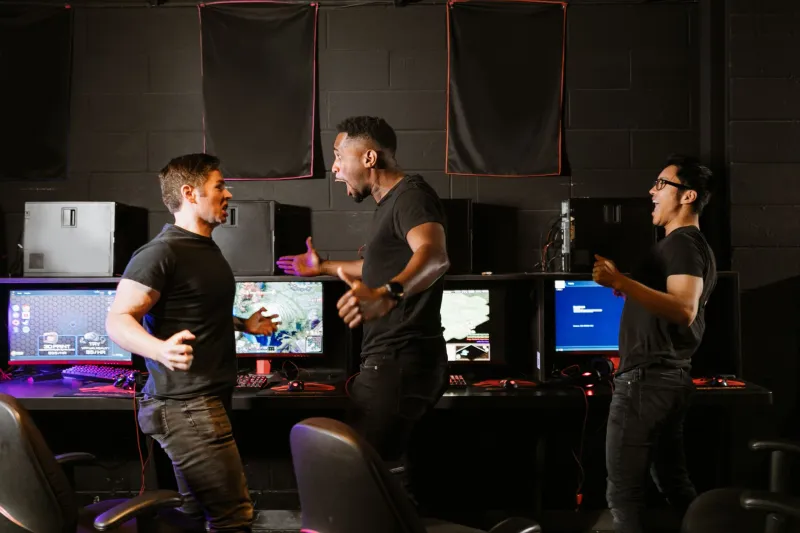
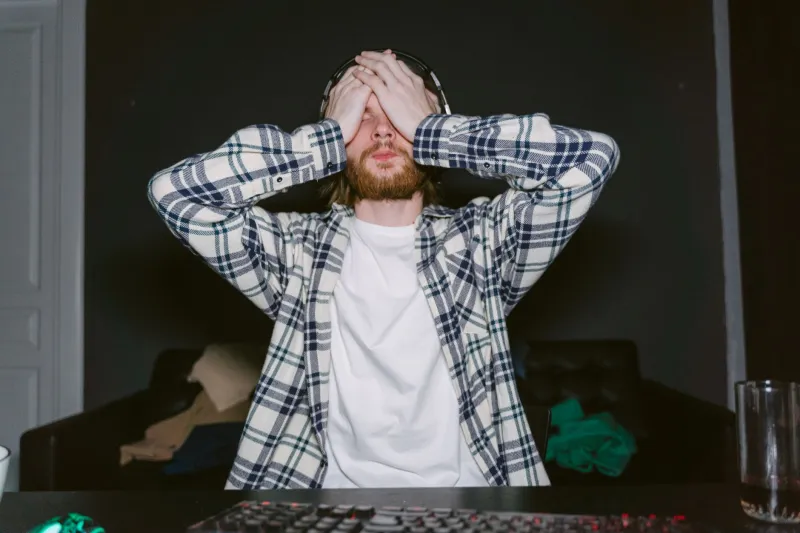
Let's be honest about something. The last time you had a genuinely great gaming night, what do you actually remember? Was it the clutch play? The final boss? The perfect headshot? Or was it the moment someone's mic picked up their dog absolutely losing its mind, and the entire voice channel descended into forty-five seconds of pure, unhinged laughter?
Right. It was the dog.
This is the Discord Server Effect, and it has quietly eaten the social soul of modern gaming whole — in the best possible way.
When the Lobby Stopped Being Enough
Back in the golden age of couch co-op and split-screen chaos, the game was the hangout. You didn't need a secondary platform because the secondary platform was your buddy's living room floor and a bag of chips that would not survive the night. The game and the social experience were the same thing, jammed into one glorious, pixelated package.
Online gaming tried to replicate that. In-game voice chat, friend lists, party systems — all noble attempts. But anyone who has ever accidentally unmuted themselves in a random Call of Duty lobby knows that in-game chat is less "warm community gathering" and more "open mic night at a very troubled bar." The strangers were too strange. The toxicity was real. The connection wasn't.
So people built their own rooms. And those rooms became Discord servers.
The Server Is the Living Room Now
What Discord figured out — probably by accident, honestly — is that people don't want a gaming platform. They want a place to be themselves, loosely organized around a shared interest. The game is the campfire. The server is where everyone actually sits.
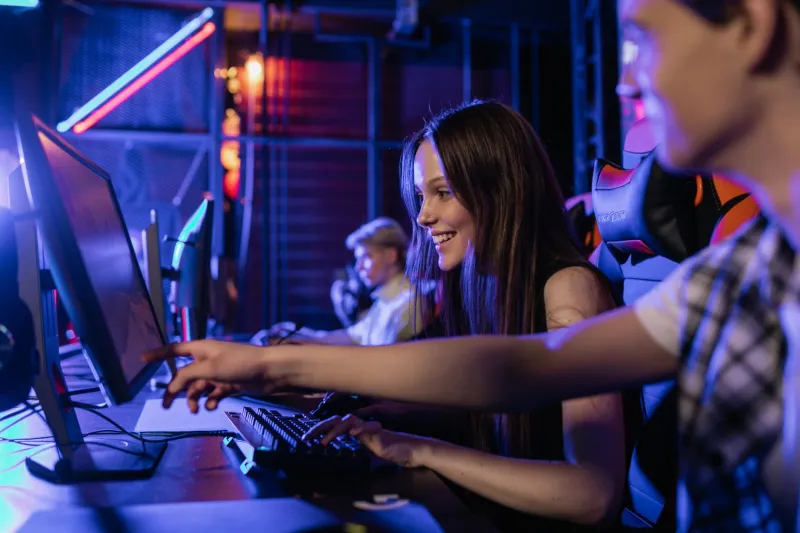
Think about what actually happens in a well-loved Discord server. There's a channel for memes that has nothing to do with the game. There's a channel called something like #random that is somehow the most active channel and contains multitudes. There's a voice channel labeled "chill" that is never, ever chill. Someone has a custom emoji of their own face. There are inside jokes so layered and specific that explaining them to an outsider would take longer than explaining the entire lore of a FromSoftware game.
None of that is the game. All of that is the community. And the community is the whole point.
Streamers Figured This Out Before Anyone Else
If you've spent any time watching streamers build their audiences, you've noticed something interesting. The ones with genuine staying power aren't just good at games. They're good at hosting. Their Discord servers are active between streams, alive with conversation, fan art, event planning, and the kind of low-stakes social energy that keeps people coming back even when nothing is technically happening.
The streamer is almost incidental. They're the reason the room exists, but the room runs itself. Regular viewers become regulars in the truest sense — they know each other, they have history, they have beef, they have reconciliations. The game on screen is more like background music at a party than the main event.
Some streamers have openly admitted that they could play literally anything and their community would show up. The game is the excuse. The server is the destination.
The Group Chat That Outlived the Game
Here's the real proof of the Discord Server Effect: think about a game you played with friends that you all quit. Maybe it was an MMO that burned you out. Maybe it was a battle royale that stopped being fun after season three. Maybe it was some chaotic party game that had maybe six good weeks in it.
You stopped playing. But did the server die? Did the group chat go quiet?
Probably not. The conversation just drifted. The game-specific channels went silent, sure, but the #general channel kept humming. People started posting about other games, about their lives, about whatever ridiculous thing happened that week. The game was gone. The community survived it.
That's not a side effect. That's the whole architecture of how modern gaming friendships actually work. The game recruits people. The server keeps them.
The Terrible Game That Brought Everyone Together
There's a specific flavor of gaming experience that only makes sense through this lens: the game that's genuinely bad but produces legendary Discord content.
Every group has one. A janky early access disaster they played for two weeks. A deeply broken co-op game where nothing worked correctly and everything was funnier for it. A game so aggressively weird that half the fun was screenshotting the nonsense and posting it immediately. The game itself was maybe a three out of ten. The Discord content it generated? Easily a nine.
The terrible game is almost a gift. It gives the server something to react to, something to mock collectively, something to bond over. Shared suffering is a social lubricant that game developers are not intentionally designing for but are accidentally delivering on a regular basis.
What This Means for How We Think About Gaming
The gaming industry still largely measures success in players, hours, and retention. Which makes sense from a business perspective. But it misses something real about why people play.
A huge chunk of the gaming population isn't playing to beat the game. They're playing to have something to talk about. The game is the shared language, and the Discord server is the conversation it enables. You could swap out the game entirely and as long as the community stays intact, most people would follow.
This is also why game discovery still spreads so wildly through word of mouth. Not reviews, not trailers — someone in a Discord server says "okay we need to all play this immediately" and suddenly a game that had no marketing budget is moving units because seventeen people in a random server decided it was their new thing.
The Real Achievement Unlocked
At the end of the day, the Discord Server Effect is just proof that people are fundamentally social creatures who will use whatever's available to build community. Games are a great excuse. They give people something to do together, something to talk about, a shared reference point.
But the friendships, the inside jokes, the 1 AM voice channel conversations about nothing important — that's what people are actually there for.
The game gets you in the door. The server makes you stay.
And honestly? That's kind of beautiful. Even if the server currently has forty-seven unread messages and at least one ongoing argument about pizza toppings that has nothing to do with gaming whatsoever.