You Watched It First and Now You Can't Unsee It: The Streaming Problem Nobody Wants to Admit
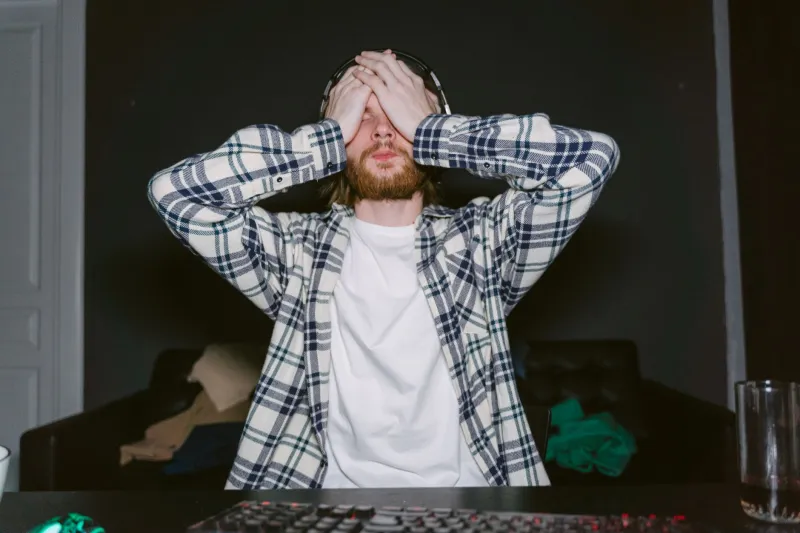
Picture this: You've been hyped about a game for eight months. You pre-ordered it. You watched the trailers on a loop like a golden retriever staring at a treat. Launch day arrives, you sit down with your snacks arranged just so, and then — nothing. No surprise. No jaw-drop. No oh my god, what is this place moment. Because you already saw it. On Twitch. At 1 a.m. Three weeks ago. While eating cereal in the dark.
Congratulations. You have been cursed.
This is the streaming problem. It doesn't come with a warning label. It doesn't announce itself. It just quietly drains the magic out of games you genuinely love, one "first reaction" video at a time.
The Discovery Is Dead, Long Live the Discovery
There used to be something almost sacred about loading up a game completely cold. No walkthrough, no previews beyond a single trailer, no idea what was waiting past the opening cutscene. You were an explorer. The map was blank. Every room was a question mark.
Streaming didn't just chip away at that experience — it rented a bulldozer and got to work.
Now the pipeline looks something like this: a big game releases, approximately forty-seven content creators go live simultaneously, the internet collectively watches the first ten hours in real time, and by the time a normal person actually sits down to play it, they've absorbed roughly sixty percent of the content through pure ambient exposure. You didn't even try to get spoiled. It just happened. It seeped in through Reddit thumbnails, Twitter clips, and your friend's extremely enthusiastic Discord messages.
The death of discovery isn't a dramatic event. It's a slow leak.
Spoiler Anxiety Is Now a Whole Personality
Here's the modern gamer's impossible dilemma: you want to stay plugged into the conversation around a game you love, but engaging with that conversation means risking having the whole thing unraveled before you've touched it.
So you develop what can only be described as spoiler anxiety — a low-grade, constant paranoia where you're muting keywords, avoiding subreddits, and treating your own social media feed like a minefield. You're essentially playing a second, worse game where the objective is to reach your couch without learning anything.
And the wild part? Most people lose. Studies on memory and "pre-exposure" effects suggest that even partial spoilers change how we emotionally process narratives. Your brain doesn't experience the twist as a twist if it already filed that information somewhere. It just nods along, checking boxes. Yep, saw that coming. Technically I did see that coming. On a stream. Voluntarily.
The anxiety is real, the stakes feel absurdly high, and yet here we all are, still clicking on the "FIRST HOUR GAMEPLAY NO COMMENTARY" video like addicts.
Why We Watch Anyway (And Why That's Complicated)
Let's be honest with ourselves for a second, which is uncomfortable but necessary.
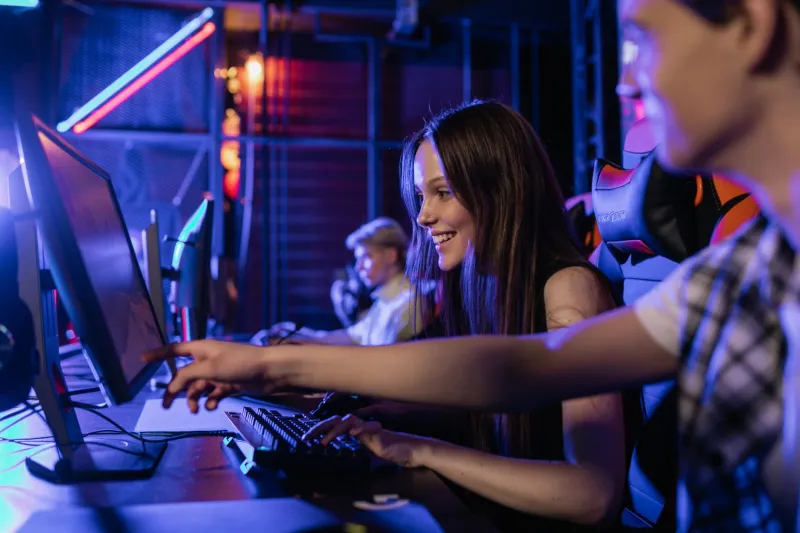
We watch gameplay content before playing games because it feels like a preview of joy. Watching a streamer flip out over a plot reveal scratches a dopamine itch. It's social. It's warm. It's fun. Streaming culture has built an entire emotional economy around shared reactions, and opting out means sitting alone with your feelings like some kind of pioneer.
There's also the investment anxiety angle. Games aren't cheap. Sixty to seventy dollars is real money, and watching a few hours of gameplay feels like responsible consumer behavior. You're test-driving the car. Totally reasonable. Except the car is an experience-based medium and test-driving it means experiencing it, and now you've experienced it, and your actual playthrough is just a slightly more interactive rerun.
The content creator economy has also fundamentally changed what "playing a game" even means culturally. For millions of people, watching is playing. It's participation. The streamer is the avatar and the chat is the community and the whole thing is genuinely its own valid form of engagement. That's not wrong — it's just different. The problem surfaces when someone expects both things simultaneously: the communal experience of watching and the private magic of discovery. You can't always have both. The universe is cruel like that.
The People Who Are Going Off-Grid
A growing contingent of gamers has decided the only solution is radical. They're going dark.
Full media blackouts. No trailers beyond announcement. No previews. Absolutely no streams. These people treat upcoming releases the way you'd treat a surprise party — they want zero information and maximum impact. They're not being precious about it. They've just done the math and decided the experience is worth protecting.
Some of them have started talking about it the way people talk about quitting social media — with a slightly evangelical energy that can get exhausting at parties, but also with a genuine sense of having reclaimed something. "I had no idea the second act went there," one person will say, eyes wide. "I just found it." And everyone who watched a streamer play through that exact moment eight months ago will smile politely and feel a quiet, hollow envy.
The irony is that going dark requires active effort now. Avoidance is the new default mode. Discovery doesn't just happen anymore — you have to construct the conditions for it.
So What Do We Actually Do About This
Here's FlyZap's completely unsolicited and only mildly hypocritical take: maybe the answer isn't to demonize streaming culture, because that ship has sailed so far it's on another planet. Streaming is woven into gaming now. It's how communities form, how games get discovered, how smaller indie titles survive in a market that would otherwise swallow them whole.
But it might be worth building a little more intentionality around when and how you consume that content. Watch streams of games you've already finished. Use preview content as a vibe check, not a full preview. Give yourself permission to go into something blind once in a while, even if the internet is screaming about it.
The magic of not knowing is still available. It's just opt-in now instead of the default.
And honestly, maybe that makes it more valuable. The blank map still exists. You just have to want it badly enough to close the tab.