Your Favorite Game Is Basically a Clingy Ex and You Keep Texting Back
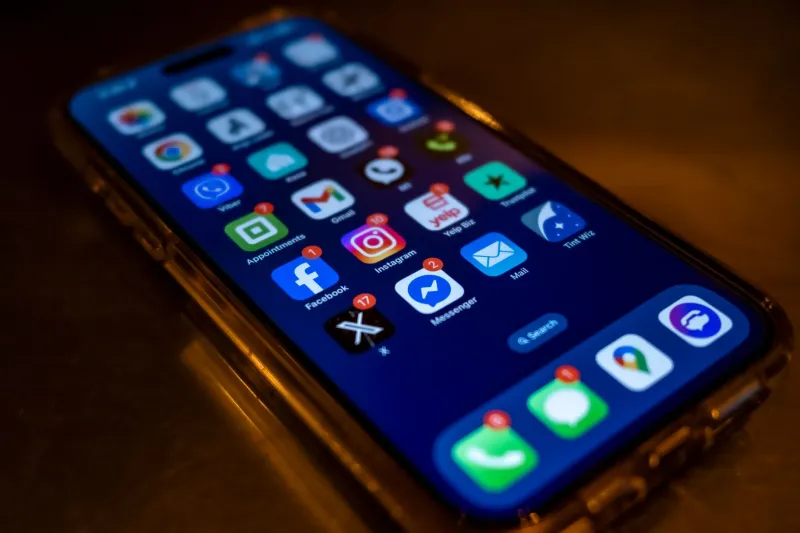
You haven't played in three days. You're living your life. Maybe you went outside, ate a vegetable, called your mom. Good for you, genuinely. And then your phone buzzes.
"Your daily reward is waiting! Don't miss your 7-day streak bonus!"
And just like that, the vegetable means nothing. You're back. You were always going to come back. The game knew it before you did.
Welcome to the notification apocalypse — a carefully engineered psychological pressure campaign disguised as a video game. The developers didn't stumble into this by accident. They built it on purpose, they refined it with data, and it works so devastatingly well that entire teams of human beings clock in every morning specifically to make sure you feel vaguely anxious about not logging in.
Let's talk about it.
The Three-Alarm Fire That Isn't Actually a Fire
The genius — and we use that word with maximum sarcasm — of modern game notifications is that they manufacture urgency out of thin air. Nothing is actually on fire. No one is waiting for you. The world will continue spinning whether or not you collect your free in-game currency before the timer hits zero.
But your brain doesn't know that.
Game designers have borrowed liberally from behavioral psychology, specifically the work around variable reward schedules. The same principle that makes slot machines catastrophically effective also makes your daily login bonus feel essential. You don't know exactly what you'll get. It might be great. It might be mediocre. But the possibility that it's great is enough to drag you back through the loading screen.
Pair that with an artificial countdown — "Offer expires in 11:47:32" — and you've created a fake emergency. Your brain processes scarcity and time pressure as legitimate threats. The rational part of your mind knows it's a free sword skin. The lizard part of your brain is treating it like you left the stove on.
Battle Passes: The Subscription That Guilts You Into Playing
If regular notifications are the clingy text messages, battle passes are the relationship you accidentally committed to and now feel terrible about leaving.
The structure is almost diabolically clever. You pay upfront — usually somewhere between ten and twenty bucks — for access to a tiered reward track. The rewards are genuinely appealing. The problem is that unlocking them requires consistent play across an entire season, which typically runs eight to twelve weeks.
You've now financially committed to a game. Not just emotionally. Actually financially.
The moment you miss a few days, the math starts haunting you. I paid for this. I'm falling behind. If I don't grind this week I'll miss the tier-40 outfit and I already paid for this, did I mention I paid for this? The game hasn't sent you a notification. It doesn't need to. The sunk cost fallacy has become your internal notification system, running 24/7, completely free for the developer.
Activision, Epic, EA, Ubisoft — every major publisher has figured this out. The battle pass isn't just a monetization strategy. It's a retention engine wearing a cosmetic store as a costume.
Seasonal Events and the FOMO Industrial Complex
Here's where it gets particularly devious. At least a battle pass is available every day of the season. Seasonal events operate on an even tighter psychological thumbscrew.
Limited-time events — Halloween modes, holiday specials, anniversary celebrations — exist for one reason: to make the game feel like a place where things happen, and to make you feel like you'll miss them if you don't show up. The Fear of Missing Out isn't a side effect here. It's the entire product.
Game developers have essentially turned FOMO into a renewable resource. Every few weeks, a new event drops. New exclusive cosmetics. New limited challenges. New story content that disappears when the timer ends. The underlying message, delivered without ever being spoken out loud, is that the game is a living world and you're choosing not to be in it.
This is a lie, of course. The game is a server. It will be there when you get back. The "living world" is a marketing frame designed to make a software product feel like a social obligation.
But try telling that to your brain at 11 PM when the Halloween event has 36 hours left and you're still missing the ghost-themed emote.
Why Developers Chose Engagement Over Everything Else
None of this is accidental, and none of it is free. Building notification systems, designing battle passes, scheduling seasonal events — that's real engineering and design work. Developers are choosing to spend those resources here instead of somewhere else.
The reason is embarrassingly simple: engagement metrics are how live-service games justify their existence to shareholders and investors. Daily active users. Monthly active users. Average session length. Return rate. These numbers tell a financial story, and the financial story has to keep going up.
Actual fun is genuinely hard to measure. You can't put "players reported having a great time" in a quarterly earnings call with a straight face. But you absolutely can report that daily logins increased 23% after implementing a streak reward system. Numbers go up. Everyone's happy. Except possibly the players, but that's a different department's problem.
This is how the gaming industry drifted from making experiences people want to have toward making systems people feel compelled to maintain. The game stopped being the thing. The engagement loop became the thing. The game is now just the wrapper.
The Mute Button Exists and You're Allowed to Use It
Here's the part nobody in the industry wants you to hear: you can turn notifications off. All of them. Right now. Go into your settings, find the app, and revoke its permission to interrupt your life. The game will still be there. The rewards will have expired, yes. The seasonal event might have ended. The battle pass tier might be unachievable now.
And nothing bad will happen to you.
This sounds obvious, but it genuinely isn't, because the entire system is designed to make opting out feel like loss. You're not losing anything real. You're losing access to a digital item in a game that may not even have active servers in five years. The urgency is borrowed. The anxiety is manufactured. The clingy ex, if we're continuing that metaphor, does not actually have your stuff.
Play the games you love when you want to play them. Chase the events that genuinely excite you. Buy the battle pass if the content looks worth your money and your time. But the second a game starts feeling like a chore you're behind on, that's the notification worth paying attention to — the one your brain is sending you, not the one on your lock screen.
FlyZap will be here when you get back. No streak required.